
Technology
Minnesota Vikings pivoting to Carson Wentz as starting QB?
By Katherine Langford
Advertisement · Why this ad?
Katherine oversees editorial operations across all six brands. Before joining The Meridan Group, she spent 14 years at the Minneapolis Star Tribune, where she led the metro desk through its digital transformation. She holds a Master's in Journalism from Northwestern's Medill School.
More from Katherine →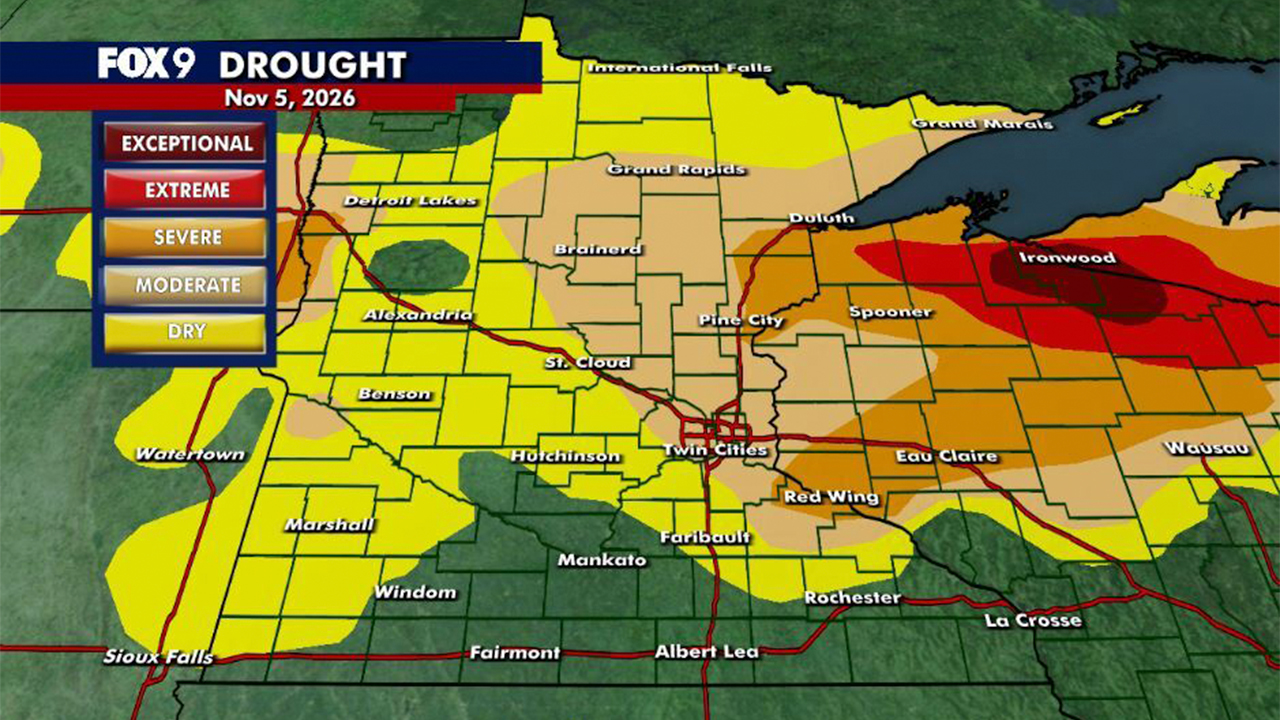
On a crisp November morning in Minneapolis, the streets glistened with remnants of a long-awaited rain, a welcome change for residents who had been watching their gardens and lawns suffer under the weight of prolonged drought. As families ventured out, the air was filled with a sense of relief and renewed hope. This week, Minnesota experienced a significant shift in weather patterns that has brightened the outlook for many.
Despite the persistent drought that has gripped Minnesota, recent rainfall has brought much-needed relief. According to the U.S. Drought Monitor, nearly half of the state, approximately 45.72%, is now classified as abnormally dry, a slight improvement from the more severe drought conditions reported just a week ago.
As of October 29, 2026, a staggering 35.55% of Minnesota was under moderate drought, with 24.52% facing severe drought conditions. The recent weather system, which began on Monday and concluded Thursday, has dramatically altered this landscape, with rainfall totals reaching impressive heights.
In the Twin Cities metro area, residents recorded between 1.5 to 2.5 inches of rain, while northeastern Minnesota saw totals surpassing 3 inches. This multi-day weather event has not only quenched parched soils but has also broken several daily rainfall records across the state.
The rainfall that swept through Minnesota was not just a gentle shower; it was a deluge that shattered long-standing records. The Twin Cities recorded 0.66 inches of rain by 7 p.m. on Tuesday, breaking a 56-year-old record for November 3. In Hibbing, northern Minnesota experienced a similar phenomenon, with 2.18 inches of rain falling on Monday, eclipsing the previous record of 0.53 inches set in 1992, as reported by the National Weather Service.
This dramatic shift in weather underscores the unpredictability of Minnesota’s climate. The state, known for its harsh winters and humid summers, has seen its fair share of weather extremes. The recent rain serves as a reminder of the delicate balance between drought and deluge, a cycle that affects both agriculture and local ecosystems.
For many residents, the benefits of this rainfall extend beyond mere aesthetics. Farmers, in particular, are breathing a sigh of relief. The Minnesota Department of Agriculture has noted that crops had been suffering under the strain of dry conditions, and this rain could mean the difference between a modest harvest and a bountiful one. Local farmers are hopeful that the moisture will help replenish their fields and improve yields.
Moreover, the rainfall has implications for local water supplies. As lakes and rivers fill, communities can expect improved conditions for recreation and wildlife. The Minnesota Department of Natural Resources emphasizes the importance of healthy water levels for maintaining biodiversity and ensuring that ecosystems thrive.
Local farmer Sarah Jensen, who operates a family farm in southern Minnesota, expressed her relief at the recent rainfall. "We were really worried about our corn and soybean crops. This rain is just what we needed to help them recover," she said. Jensen has seen firsthand how erratic weather patterns can impact farming, and she remains hopeful that this rain will lead to a more fruitful harvest.
Residents in urban areas are also feeling the positive effects. Minneapolis resident Mark Thompson noted, "My garden was starting to look pretty sad. After the rain, it’s like everything just came back to life. I can’t wait to see how my tomatoes turn out this year!" This sentiment is echoed throughout neighborhoods as people look forward to the benefits of lush green spaces and fruitful gardens.
Beyond the immediate relief for farmers and residents, the rainfall also has broader economic implications. The agricultural sector is a significant part of Minnesota's economy, contributing over $19 billion annually. A good harvest can lead to increased local spending, benefiting not just farmers but also local businesses such as equipment suppliers, seed companies, and grocery stores. Conversely, a poor harvest can lead to economic downturns in these communities.
Additionally, the tourism industry, which thrives on Minnesota's natural beauty and outdoor recreational activities, stands to benefit from improved weather conditions. As lakes and rivers refill, opportunities for fishing, boating, and hiking will attract both locals and tourists, further bolstering the economy.
While the recent rainfall has brought temporary relief, the question remains: what does the future hold for Minnesota’s weather? Meteorologists are cautiously optimistic, noting that while this week’s rain has improved conditions, the state is not entirely out of the woods yet. The National Weather Service continues to monitor conditions closely, and residents are urged to stay informed about ongoing weather patterns.
As Minnesotans look ahead, the hope is that this rainfall marks the beginning of a more stable weather pattern. Community leaders and families alike are eager to see how these changes will affect their daily lives, from agriculture to outdoor activities. The resilience of the Minnesota spirit shines through in the face of adversity, and as the state dries out, there is a collective sense of optimism.
In light of the recent drought and subsequent rainfall, discussions have begun among local leaders about long-term solutions to mitigate the impacts of future droughts. Community forums are being organized to gather input from residents on sustainable farming practices, water conservation methods, and the importance of maintaining healthy ecosystems. These dialogues are crucial for building resilience against climate variability.
Local environmental groups are also stepping up efforts to educate the public about the importance of water conservation and the role of native plants in maintaining soil health. Workshops and outreach programs are being planned to help residents understand how they can contribute to a more sustainable future.
In conclusion, while the drought conditions in Minnesota have not fully dissipated, the recent rainfall serves as a powerful reminder of nature's ability to provide for us. As families gather around their dinner tables to share stories of the rain, they are also reminded of the importance of community, commitment, and faith in better days ahead. Minnesota continues to embody the American dream of perseverance, and as the state moves forward, the hope is that families will thrive together, nourished by both the land and each other.
By Katherine Langford

By Marcus Chen

By Marcus Chen

By Marcus Chen